By KeviJ GOodLifePrecepts
When I was younger, we had a neighbor who was an alcoholic. She had several grown children who rarely came to visit. Most days, she sat in her window yelling out at people. Because of a speech impediment, much of what she said was hard to understand, but the parts we did understand were usually harsh judgments about others.
Back then, it was still common for neighbors to correct each other’s children — but sadly, many also judged them.
“She’s a fast one — she’ll be pregnant or in jail before high school.”
“He’s nothing but trouble.”
We were labeled without compassion. And I’ve come to see that older generations — sometimes out of fear or frustration — can speak words that wound rather than heal. They offer criticism where mentorship is needed.
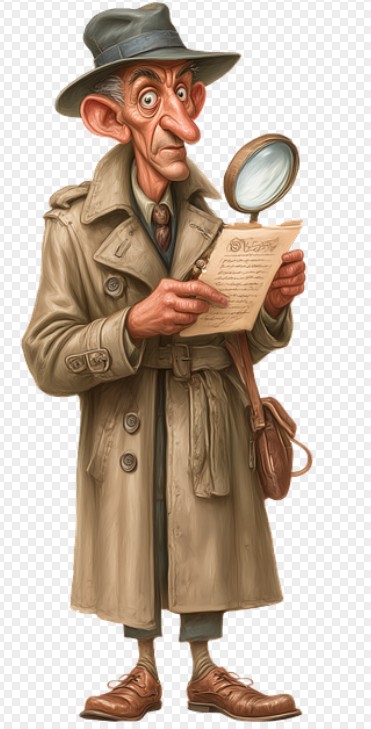
As we consider Jesus’s question today, we should also consider where our “views” come from. What did Jesus really mean when He said, “Judge not, that you not be judged?” Whenever we want to see things clearly, I encourage us to look internally first. In the proper context, the context of this passage says things like: be merciful, don’t judge, don’t condemn, forgive, and give. Although we often tie these passages to giving money in church, Jesus strongly approached how we address our hearts. It’s like someone who can easily point out others’ faults but never see their own. It becomes apparent that the one holding the magnifying glass rarely holds the mirror. We should not view this verse as a license to put away our discernment. We should, however, be sure to confront our hearts for the presence of compassion, making sure it’s not steeped in fear, insecurity, pride, or pain.
Not long ago, I was mowing the lawn when something flew straight into my eye — a blade of grass. I immediately felt it. I rubbed and blinked, but couldn’t see it. Hours later, even after washing my face and resting, my eye was swollen and irritated. Only after serious effort and discomfort was I finally able to remove the small, straw-like speck.
The relief was immediate. But so was the lesson.
You can’t always see what’s hurting you. Sometimes, it takes intentional reflection — and help — to remove what’s distorting your view.
Jesus described it with exaggerated imagery—a plank in one’s eye. It’s ridiculous… because it’s meant to be. He wants us to grasp just how blind and distorted our hearts can be when we operate from pride, pain, or unresolved issues.
If you have a skewed perspective, your relationships will suffer. If you suffer from a clouded heart, your vision will be cloudy too. This is an invitation to healing so we can experience the GOoDLife God has called us to. I’m reminded of the film Hear No Evil, See No Evil. One character was deaf, the other blind. They had to work together to survive. If they had both been blind, the result could’ve been fatal. That’s what happens spiritually when no one is seeing clearly — not even themselves. When we’re spiritually blind, we don’t see our deficits, and we wonder why relationships are broken, and we continue to experience heartaches. This is about searching the heart and coming from a place of pure motive.
The Heartbeat of this message is for all of us to have our ‘heart checked’:
Consider these three terms in every interaction you have with others, even on the road while driving: mercy, humility, and truth. We are called as kingdom citizens, not to think more highly of ourselves than we ought.
If you happen to catch someone in a fault or sin, be sure to restore them with a spirit of humility and grace, not judgmental condemnation. Jesus calls us to love like He does. Speak the truth in love, but from a place of clarity and purity.
Start with self-awareness; search your own heart. Confess before you confront; your humility invites healing. Ask questions before making statements; be curious before critical. Finally, let God do the measuring. Remember, you don’t have a heaven or a hell to put anybody in!
Reference verses:
Matthew 7:1–4
Luke 6:37–42
Galatians 6:1
Colossians 4:6
GOoDLifePre-Cepts
KeviJ