GOoDLifePrecepts: By: KeviJ
If you followed the Joseph Chronicles I shared earlier this year, you’ll remember that at the heart of his story was a bold decision to forgive—not just quietly, but openly, powerfully, and completely.
When Joseph revealed himself to his brothers, the same brothers who sold him into slavery, he refused to shame or punish them, though he could have. Instead, he offered compassion and reassurance, telling them not to be afraid or turn their anger inward, because what they intended for evil, God had miraculously transformed for good. Then, he embraced them—kissing each one of them, tears streaming down his face, inviting them into a reconciled future. Even after their father’s death, however, guilt continued to torment them. They sent word, desperate for forgiveness once more, still unsure if Joseph’s kindness had only been for their father’s sake. When Joseph heard this, the bible says he wept. Not out of anger or guilt, but grief—that they still couldn’t believe his grace was genuine.
It was in this moment that the 50/20 rule was born: God can take what was meant to harm us and use it to bring healing and blessing to others. The most evident proof of this was in the transformation of Judah—the brother who once suggested Joseph be sold into slavery now offered himself as a substitute for Benjamin years later. The one burdened with the most guilt had become the one whose love ran the deepest—redeemed, restored, and real. This powerful transformation serves as a reminder to us all that no matter what our past mistakes were, redemption is always possible, and love can triumph over even the deepest wounds.
In Luke 7, Jesus shares a powerful dinner scene with Simon the Pharisee, where a sinful woman interrupts with an overflowing display of love and devotion. While Simon silently judges her, Jesus responds not with condemnation but with a thought provoking question:
“Simon, I have something to say to you…”
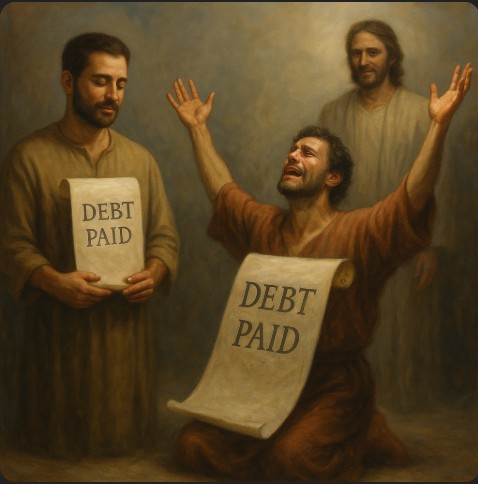
He tells a parable: two people owed money—one a small amount, the other an outstanding debt. Neither could repay, and both debts were canceled. Then came the question:
“Which of them will love him more?”
Here’s a kingdom question that bypasses behavior and goes straight to the posture of the heart. Jesus wasn’t asking about numbers to be quantified, he was revealing a GOoDLife Precept—the principle that forgiveness received will determine the love expressed!
This passage reveals the deep connection between mercy and love. Sadly, in the culture we live in, our motto tends to read more like this: “Mercy for me, justice for you!” In this highlight, forgiveness is not merely an emotional gesture; it’s a significant spiritual act. So much so, at the end of the small parable, Jesus called the servant who didn’t forgive the servant who owed him “wicked.” This idea of gratitude, compassion, and mercy manifesting profoundly in those who realize how much they have been forgiven is a genuine reflection of a transformative understanding of grace in how to relate to others in the same way they’ve been related to. It’s a “cancel culture” out here where whistleblowers abound, Quick to expose flaws, often seeking recognition or retribution. Offenses can pile up quickly in a broken world, bitterness disguised as healthy boundaries. In the kingdom, love doesn’t genuinely grow with an entitlement mentality—It grows in humility. The one who has truly tasted of the mercy of the Lord will not be proud; instead, the most generous and forgiving of them all.
Time of Reflection:
** Two Thoughts To Ponder:**
Judah was the worst offender, turned into the broken intercessor. Forgiveness that reaches the heart always produces love that moves the hands.
If we’re carrying guilt about being on the other side of the offense, we can make amends and get things right in our own hearts in the meantime. It’s time to reclaim your story for God’s glory by seeking forgiveness from those you may have wronged. Remember the love & forgiveness you’ve been shown & love deeply
**Heart-Probing Question:**
Who in my life have I struggled to forgive—with full heart, open arms, and no strings attached?
Scripture references and study sources:
Luke 7:40–42
Genesis 45:4–5, 45:15, 50:17, 50:20 (Joseph’s model of forgiveness)
Romans 5:8 – Christ died while we were still sinners
Colossians 2:14 – Debt canceled at the cross
2 Timothy 4:3–4 – Warning about resisting truth
Chronological Study Bible
Shall we say a closing prayer together?
Father, I confess there are areas in my life I’ve forgotten how much I’ve needed your mercy. Forgive me for measuring others while forgetting the cost you paid to cover my offenses. Teach me to love deeper, not out of obligation, but because I stand in awe of you. Remind me to recognize your grace in my life daily so I may extend that same grace to others, in Jesus’ name, Amen.